
Journal · Seasons
Liguria in September and October
The crowds thin, the light softens and the sea keeps its summer warmth. What to expect in Alassio after August.
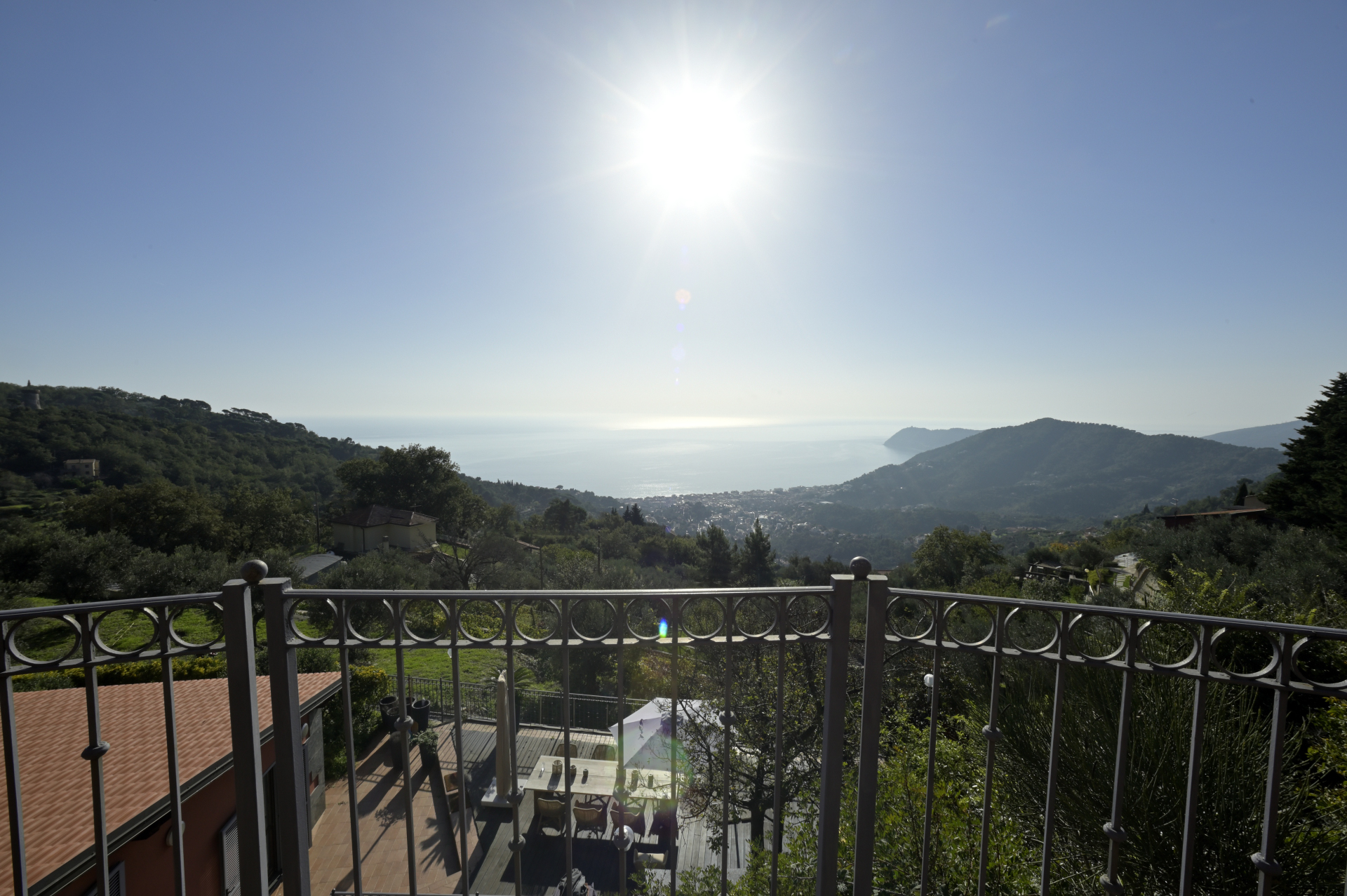
After Ferragosto on 15 August, the Ligurian coast changes register. The crowds thin, the light softens and the sea keeps most of its summer warmth. For many visitors, September and early October are the best weeks of the year in Alassio. This is what to expect, month by month.
- Sea temperature, Septemberapprox. 22–24 °C
- Air temperature, September23–25 °C by day, 16–18 °C at night
- Sunshine, September7–8 hours a day
- Sea temperature, Octoberapprox. 21–22 °C
- Rainfall, Octoberapprox. 120 mm
Long-term averages, not promises for any particular day.
September: summer at a gentler temperature
The sea sits around 24 °C early in the month and settles towards 22–23 °C in the final ten days. Daytime temperatures of 23–25 °C make it warm enough for the beach, yet comfortable for walking, eating out and exploring. It feels less like an autumn beach holiday and more like summer at a gentler pace.
What changes most is the number of people sharing the coast. The bagni (beach clubs), the lungomare and the restaurants grow calmer as the month goes on. There is still the clink of glasses at aperitivo and the evening passeggiata, but with more space around both. Booking a table, a sunbed or a day trip takes less planning than in August.
October: the quieter coast
By October the beach is no longer the centre of every day. The swimming season on the Ligurian coast often continues into early November, with the sea still around 21–22 °C, so a calm morning may well invite a swim. A wet afternoon, on the other hand, is a good reason for a long lunch.
The quieter pace opens up parts of the coast that feel more demanding in August. The caruggi, the narrow medieval alleys, can be explored at leisure. Inland, the hill villages make an easy day away from the sea, and walking becomes attractive again, including the old Roman road, the Via Iulia Augusta, between Alassio and Albenga.
The trade-off
Autumn is not August with fewer people, and it is fair to say so. September has roughly eight rainy days. October is markedly wetter, and the rainy season runs through October and November. Days get shorter, and some businesses that depend on summer visitors close for the season.
- Pack for bothSwimwear and a light jacket. Evenings are noticeably cooler than in summer.
- Check opening timesBefore driving to a particular restaurant or beach club, check that it is still open for the season.
- Keep plans flexiblePlan outdoor days loosely and move them around the weather.
August offers the coast at full volume. September turns the volume down while the sea still holds its summer warmth.
Who it suits
Families tied to school holidays may have little choice, and anyone who wants the full energy of high summer will prefer August. But for couples, friends and multi-generational groups, the shoulder season has a clear appeal. One person can swim before breakfast, another can take a long lunch, and someone else can explore the hills, all without the heat and crowds of peak season.
For more on the months before summer, read May and June in Liguria. For ideas on how to fill the days, see our day trips from Alassio and ten quiet places around Alassio. The 2027 season at Villa Belvedere del Condor runs until 16 October; explore the villa.
Frequently asked questions
How warm is the sea in Alassio in September?
The sea averages roughly 22–24 °C in September: around 24 °C early in the month and 22–23 °C in the final ten days. In October it is still around 21–22 °C.
Does it rain in Alassio in autumn?
September has roughly eight rainy days. October is markedly wetter, with around 120 mm of rain, and the wetter season continues through November.
Is Alassio still open in October?
Yes. Alassio is a living town, not a resort that closes. Some businesses that depend on summer visitors do close, so check opening times before travelling to a particular restaurant or beach club.
Early Bird 2027
A September week in 2027
Book your 2027 week directly with us before 31 December 2026 and save ten percent. The season runs until 16 October.